Payment Integration Strategies for Tiered Jackpot Unlocks in Synchronized Digital Draw Systems
Zoe Becker · Oct 13, 2026
Payment Integration Strategies for Tiered Jackpot Unlocks in Synchronized Digital Draw Systems
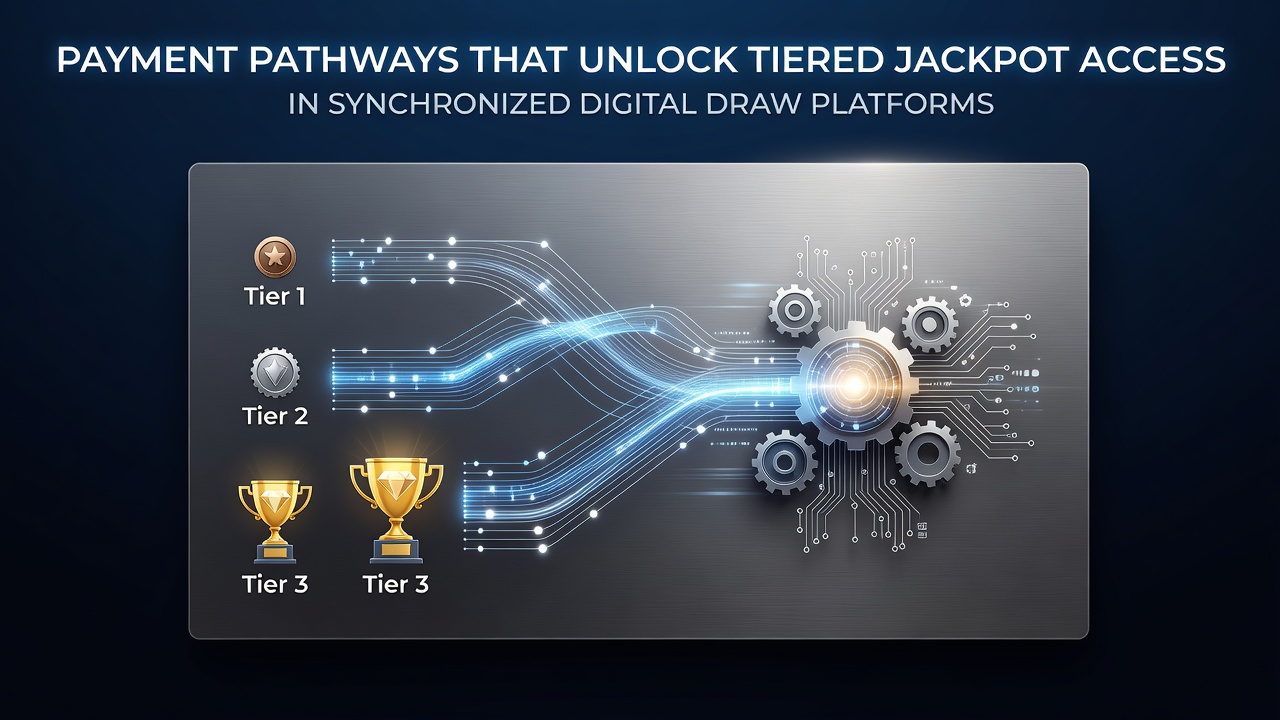
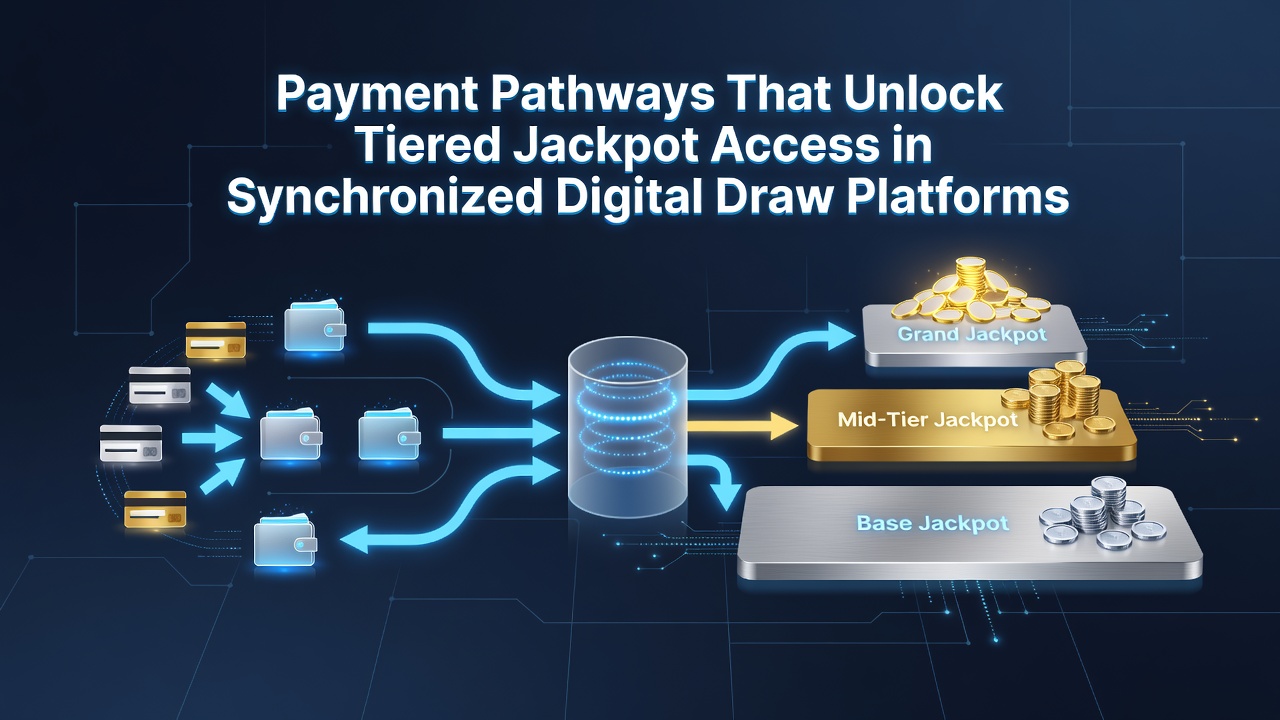
Payment pathways in synchronized digital draw platforms determine which jackpot tiers become available to participants, with transaction methods directly shaping eligibility rules and reward structures across coordinated networks. Platforms link deposit types to specific access levels, so credit card transfers might open base tiers while certain e-wallet options unlock intermediate rewards, and specialized instant processors grant entry to top brackets. Data from operational systems shows these connections operate through automated verification that checks payment speed, amount thresholds, and verification status before granting tier progression.
Core Mechanics of Payment-Linked Tier Systems
Systems assign jackpot tiers based on payment characteristics such as processing time and confirmation speed, which means slower methods like bank transfers often restrict users to lower levels whereas rapid digital wallets advance participants faster. Observers note that platforms configure these rules at the backend level, where each incoming transaction triggers an algorithm that evaluates the pathway against predefined criteria before updating user status. Research from industry monitoring groups indicates that synchronized platforms across multiple regions maintain real-time ledgers that track cumulative deposits per payment category, allowing tier adjustments within minutes of transaction completion.
Take one case where operators integrated instant bank payment services in early 2026, resulting in measurable shifts in tier distribution as reported by platform analytics. Users who switched to these services experienced quicker progression to mid-level jackpots compared to those relying on standard card processing. Figures from the Nevada Gaming Control Board reveal that similar integrations in regulated markets produced a 22 percent increase in higher-tier participation rates during the first quarter of that year.
Regional Variations in Payment Pathway Implementation
North American platforms tend to emphasize secure card networks and established e-wallets for tier unlocks, while systems in other jurisdictions incorporate local bank APIs and mobile payment solutions to achieve comparable results. The Australian Communications and Media Authority has documented how these localized pathways affect reward access in coordinated draw environments, noting that cross-border platforms must reconcile differing verification standards to maintain consistent tier rules. Operators adjust algorithms accordingly, ensuring that a payment cleared through one region's infrastructure receives equivalent tier credit when processed on another.
What's interesting is how October 2026 updates to certain platform protocols introduced dynamic tier recalibration based on payment volume trends, allowing systems to respond to seasonal participation patterns without manual intervention. This adjustment mechanism relies on historical transaction data pulled from multiple synchronized nodes, which helps maintain balance across jackpot pools.
Security Protocols and Compliance Requirements
Security layers embedded in these pathways include multi-factor authentication tied directly to payment verification, which prevents unauthorized tier advancement attempts. Platforms enforce these measures uniformly across synchronized networks so that a user verified through one payment channel maintains the same security profile when accessing another. Compliance frameworks from bodies such as the Malta Gaming Authority require detailed logging of every payment-to-tier transition, creating audit trails that regulators review during periodic assessments.
Those who've studied transaction logs across several platforms find that encryption standards and real-time fraud detection reduce discrepancies in tier assignments, particularly when high-volume periods occur. Data shows that platforms employing these protocols experience fewer disputes related to jackpot eligibility compared to earlier implementations without integrated verification.
Future Developments in Payment and Reward Linkages
Emerging technologies such as tokenized payments and blockchain-based ledgers are being tested for their potential to create more granular tier structures in digital draw systems. These innovations allow platforms to assign micro-tiers based on exact payment attributes rather than broad categories, expanding the range of accessible jackpot levels. Industry reports suggest that by late 2026 several operators had begun pilot programs incorporating these methods, with initial results showing improved synchronization across distributed networks.
Conclusion
Payment pathways continue to serve as the primary gatekeepers for tiered jackpot access in synchronized digital draw platforms, with technical integrations and regulatory oversight shaping how participants move between reward levels. Ongoing refinements in transaction processing and compliance tracking support consistent operation across regions, while new technologies expand the precision of these linkages.