Digital Bingo's Expansion in Regulated Markets Worldwide
Hugo Weber · Oct 27, 2026
Digital Bingo's Expansion in Regulated Markets Worldwide
Online bingo platforms have grown steadily since their early days in the late 1990s, when basic websites first offered number-matching games to users with dial-up connections; today these sites operate under strict licensing frameworks in multiple jurisdictions, and data from regulatory bodies show consistent increases in participation across desktop and mobile channels. Operators must comply with rules set by agencies such as the New Jersey Division of Gaming Enforcement, which tracks licensed activity and requires regular audits of random number generators used in each draw.
Core Mechanics and Platform Features
Players join virtual rooms where a random number generator selects balls in sequence, and the system automatically marks cards while displaying results in real time; many platforms add chat functions that allow participants to interact without leaving the game window, and software providers integrate progressive jackpot pools that accumulate across multiple sites. These features rely on secure encryption protocols that protect transaction data, and industry reports indicate that most established operators now use at least 128-bit SSL standards for every deposit and withdrawal.
Regulatory Landscape in 2026
By October 2026 several North American and European markets had updated their licensing requirements to address new payment methods and responsible gaming tools; regulators in Malta and New Jersey both require operators to display session timers and deposit limits on every account, while data released by the Malta Gaming Authority shows that compliance rates for these tools exceeded 95 percent among licensed bingo sites during the first three quarters of the year. Separate figures from state gaming commissions reveal that total handle for digital bingo in New Jersey rose 12 percent compared with the same period in 2025, driven largely by mobile sessions that now account for more than 70 percent of all activity.
Payment Methods and Player Engagement Patterns
Modern bingo sites accept a range of deposit options including credit cards, e-wallets, and bank transfers, with many operators also supporting cryptocurrency transactions under specific license conditions; transaction speed varies by method, yet most platforms credit accounts within minutes when using instant options. Observers note that peak login times often coincide with evening hours in major time zones, and one study of aggregated anonymized data found that users who enable autoplay features tend to complete more rounds per session than those who mark cards manually. Loyalty programs tied to these platforms frequently award points for every game played, which can later be redeemed for bonus credits or merchandise, and operators report that retention improves when such programs include tiered rewards based on monthly activity levels.
Technological Developments and Mobile Integration
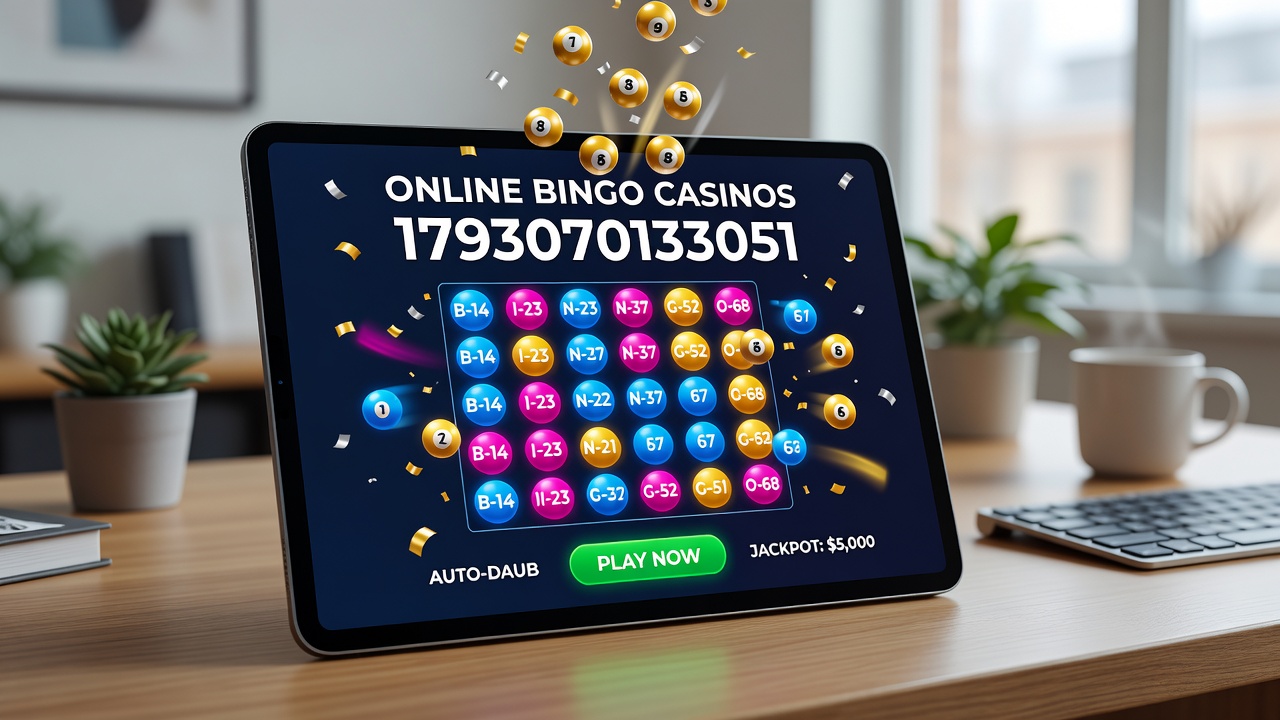
Advances in HTML5 coding have allowed bingo interfaces to adapt automatically to different screen sizes, eliminating the need for separate apps on many devices; push notifications now alert registered users when a scheduled room is about to start, and integrated video streaming lets players watch live draws hosted from remote studios. Security remains a priority, and third-party testing labs such as those accredited by the European Gaming and Betting Association routinely certify that game outcomes remain fair and unpredictable across thousands of simulated draws. Those who have examined server logs from large operators note that latency under 100 milliseconds is now standard for most European-hosted rooms, which helps maintain smooth gameplay even during high-traffic periods.
Market Data and Geographic Trends
Revenue statistics compiled by various gaming control boards indicate that the combined digital bingo market in selected U.S. states and parts of Europe surpassed previous annual records in fiscal 2026, with mobile traffic contributing the largest share of new accounts. Operators continue to expand their game libraries by adding themed variants that incorporate extra patterns or side bets, yet core 75-ball and 90-ball formats still generate the majority of handle. Research conducted by academic groups in Canada and Australia has examined how different bonus structures influence session length, and the resulting papers show measurable differences in average play time when welcome offers require specific wagering thresholds before withdrawal.
Conclusion
Regulatory updates, mobile optimization, and varied payment options have collectively shaped the current state of online bingo operations, and figures released through official channels continue to document steady participation growth into late 2026. Operators that maintain current certifications and transparent reporting practices remain positioned to serve an expanding user base across multiple regions.